QLCredit: Understanding the Modern Digital Lending Platform and How It Is Changing Online Borrowing
Access to credit has evolved dramatically over the past decade. Long queues at bank branches, endless paperwork, and weeks of waiting for loan approvals are gradually giving way to faster, technology-driven solutions. Consumers and businesses now expect financial services to be as convenient as online shopping, with applications completed from a smartphone and decisions delivered within hours. This shift has fueled the growth of digital lending platforms, and one name that has attracted increasing attention is QLCredit.
Also Read: FSI Blogs US: Trends, Banking Insights, Fintech, Compliance, and Financial Innovation
QLCredit has emerged in online discussions as a term associated with digital lending, modern credit assessment, and technology-powered financing solutions. While the name may refer to different services depending on the context, it is most commonly connected with online lending platforms that simplify borrowing through digital processes and automated credit evaluation. Rather than relying exclusively on traditional banking procedures, QLCredit emphasizes speed, convenience, and accessibility for today’s borrowers.
This article explores what QLCredit is, how it works, its key features, potential benefits, possible drawbacks, and why digital lending platforms like QLCredit are becoming increasingly important in the financial technology landscape.
What Is QLCredit?
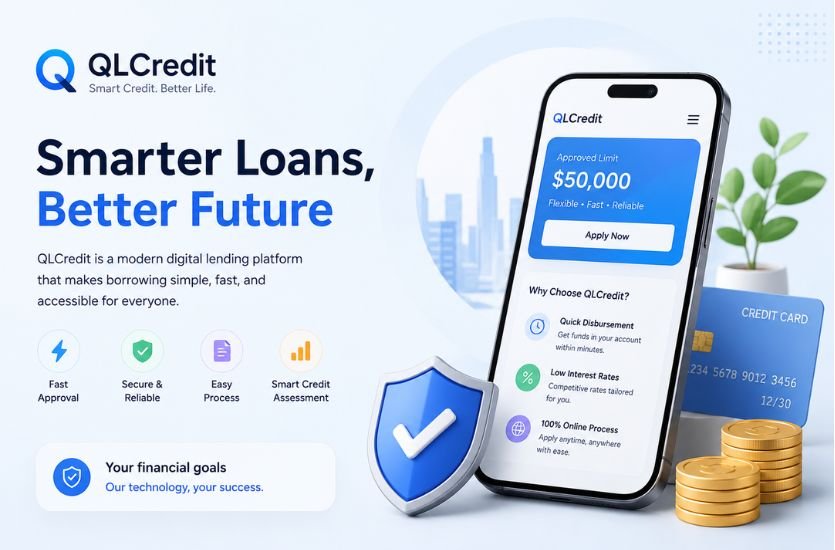
QLCredit is commonly described as a digital lending concept or online credit platform designed to streamline the borrowing process through financial technology. Instead of requiring customers to visit physical branches or submit extensive paper documentation, QLCredit-style services allow users to complete applications online, upload necessary documents electronically, and receive lending decisions much faster than many traditional financial institutions.
Depending on the source, QLCredit may also refer to specific lending businesses operating in certain regions, including companies that provide personal loans, business financing, debt consolidation, and mortgage-related products. Because the name is used in different contexts, borrowers should always verify which organization they are dealing with before applying for any financial product.
At its core, QLCredit represents the broader movement toward digital finance, where technology helps make lending more efficient, transparent, and accessible.
The Rise of Digital Lending
Traditional banking has served consumers for generations, but it often involves lengthy approval procedures, strict documentation requirements, and limited operating hours. These challenges have created opportunities for fintech companies to develop digital alternatives that prioritize user experience and automation.
Digital lending platforms like QLCredit aim to eliminate many of these obstacles. Borrowers can begin the application process from virtually anywhere with an internet connection, reducing the need for in-person appointments and paperwork. Automated systems also help lenders process applications more efficiently, allowing qualified applicants to receive decisions in a much shorter timeframe.
This shift has become especially important as more people work remotely, operate small businesses, or earn income through freelance and gig economy jobs that may not fit traditional lending models.
How QLCredit Works
Although individual platforms may differ slightly, the borrowing process associated with QLCredit generally follows a straightforward digital workflow.
The journey typically begins when a user visits the platform’s website or mobile application and completes an online loan application. Applicants provide personal information, employment details, income information, and the amount they wish to borrow.
After submission, identity verification takes place using digital authentication methods. Applicants may upload government-issued identification, proof of income, bank statements, or other supporting documents depending on the lender’s requirements.
Once verification is complete, the platform evaluates the applicant’s financial profile using automated systems. Instead of relying solely on conventional credit scores, some digital lenders also analyze alternative financial indicators such as transaction history, cash flow, repayment behavior, and overall financial stability.
Following the assessment, the platform generates a lending decision. Approved applicants receive loan offers outlining the approved amount, interest rate, repayment schedule, and any applicable fees. After acceptance, funds are transferred electronically to the borrower’s bank account, often much faster than traditional lending institutions.
Repayments are generally managed through scheduled automatic payments, online banking, or other digital payment methods.
Key Features of QLCredit
One of the defining characteristics of QLCredit is its emphasis on convenience. The entire borrowing experience is designed to minimize unnecessary delays while maintaining responsible lending practices.
Online applications allow borrowers to complete forms from home without visiting a physical office. This convenience is especially valuable for busy professionals, entrepreneurs, and individuals living in areas with limited banking infrastructure.
Fast approval processes are another significant advantage. Automated underwriting systems can review applications quickly, enabling borrowers to receive decisions within hours instead of waiting several business days.
Digital document submission reduces paperwork considerably. Rather than printing and mailing forms, applicants upload electronic copies directly through secure online portals.
Some QLCredit platforms also incorporate artificial intelligence and machine learning technologies to improve lending decisions. These systems analyze financial information more comprehensively, helping lenders assess risk while expanding access to qualified borrowers who may have limited traditional credit histories.
Another important feature is mobile accessibility. Modern lending platforms recognize that many users manage their finances through smartphones, making responsive websites and dedicated mobile applications essential components of the customer experience.
AI and Alternative Credit Assessment
One of the most innovative aspects associated with QLCredit is the use of alternative credit evaluation methods.
Traditional lenders often focus heavily on credit scores and long borrowing histories. While these metrics remain important, they do not always provide a complete picture of an individual’s financial responsibility.
Many digital lending platforms now supplement conventional credit checks with additional data points. These may include income consistency, banking activity, spending behavior, savings patterns, employment stability, and cash flow management.
Artificial intelligence helps process this information rapidly by identifying patterns that may indicate a borrower’s ability to repay a loan. Machine learning algorithms can continually improve over time as they analyze more financial data, potentially increasing both efficiency and accuracy.
This broader approach may benefit applicants who have limited credit histories but maintain healthy financial habits.
Types of Loans Offered
QLCredit-related services are commonly associated with several types of financing products designed to meet different financial needs.
Personal loans remain among the most popular options. Borrowers may use these funds for education expenses, home improvements, emergency costs, medical bills, travel, or major purchases.
Business financing is another common offering. Small businesses often require working capital to purchase equipment, manage inventory, expand operations, or cover temporary cash flow shortages. Digital lending platforms can provide faster access to funding than some traditional commercial lending programs.
Debt consolidation loans help borrowers combine multiple outstanding debts into a single monthly payment. This approach can simplify financial management and, in some cases, reduce overall borrowing costs.
Certain providers may also offer mortgage-related financing, refinancing solutions, or secured lending products depending on local regulations and licensing requirements.
Advantages of Using QLCredit
One of the biggest advantages of QLCredit is speed. Borrowers facing urgent financial needs often appreciate the ability to submit applications quickly and receive prompt decisions without unnecessary delays.
Accessibility is another significant benefit. Individuals who live far from physical bank branches or maintain busy schedules can complete the entire borrowing process online at their convenience.
Reduced paperwork simplifies the overall experience. Electronic document uploads eliminate much of the administrative burden associated with traditional loan applications.
Digital platforms also tend to provide greater transparency by presenting loan terms, repayment schedules, interest rates, and fees before borrowers finalize their agreements. This allows applicants to make more informed financial decisions.
For entrepreneurs and freelancers, alternative credit assessment methods may improve access to financing when conventional banking standards prove difficult to satisfy.
Many borrowers also appreciate the ability to monitor loan balances, payment history, and upcoming installments through secure online dashboards available around the clock.
Potential Risks and Considerations
While digital lending offers numerous benefits, borrowers should exercise caution before accepting any loan.
Interest rates vary significantly among lenders, making it important to compare multiple offers before committing to a borrowing agreement. Faster approval should never replace careful evaluation of the loan’s total cost.
Applicants should also review repayment schedules carefully to ensure monthly payments fit comfortably within their budgets. Missing payments can negatively affect financial health regardless of whether the loan originates from a traditional bank or a digital platform.
Security remains another important consideration. Borrowers should verify that the lender uses secure encryption, protects customer information, and complies with applicable financial regulations.
It is equally important to confirm that any lender operating under the QLCredit name is properly licensed within its jurisdiction. Regulatory oversight helps protect consumers and promotes responsible lending practices.
Finally, borrowers should avoid taking on unnecessary debt simply because digital applications make borrowing more convenient. Every loan should serve a legitimate financial purpose supported by a realistic repayment plan.
Who Can Benefit from QLCredit?
QLCredit-style lending solutions appeal to a wide variety of borrowers.
Young professionals entering the workforce may appreciate simplified application procedures and faster approvals when establishing their financial independence.
Freelancers and gig economy workers often experience irregular income patterns that traditional lenders sometimes view unfavorably. Alternative credit assessment methods may provide greater opportunities for these individuals to qualify for financing.
Small business owners frequently need quick access to working capital for expansion, inventory purchases, or seasonal expenses. Digital lending platforms can help address these short-term funding needs more efficiently.
Individuals facing unexpected expenses, such as emergency medical bills or urgent home repairs, may also benefit from faster access to personal loans when managed responsibly.
QLCredit Compared with Traditional Banks
Traditional banks continue to play an essential role in the financial system, particularly for customers seeking long-term relationships, comprehensive financial services, and established institutional stability.
However, digital lending platforms differentiate themselves by emphasizing speed, convenience, and automation.
Bank loan applications often require multiple in-person meetings, extensive documentation, and longer approval periods. QLCredit-style platforms generally streamline these processes through online applications and automated decision-making systems.
Traditional lenders may also rely more heavily on historical credit scores, while digital platforms increasingly consider broader financial data when evaluating applicants.
Neither approach is universally superior. Borrowers should compare available options based on interest rates, repayment terms, customer service, security, and their own financial circumstances.
The Future of Digital Lending
The financial industry continues to embrace technological innovation, and digital lending is expected to remain an important part of that transformation.
Artificial intelligence will likely become even more sophisticated in evaluating credit risk, helping lenders make faster and more accurate decisions while reducing operational costs.
Open banking initiatives may allow borrowers to securely share financial information with lenders, creating more personalized loan offers based on real-time financial data.
Blockchain technology, enhanced cybersecurity measures, and automated compliance systems may further strengthen digital lending platforms by improving transparency, protecting customer information, and reducing fraud.
As financial technology continues to evolve, platforms like QLCredit are expected to play an increasingly significant role in expanding financial inclusion and making credit more accessible to underserved populations.
Is QLCredit Right for You?
Whether QLCredit is the right choice depends on individual financial needs and borrowing goals. Those seeking convenience, faster approvals, and digital account management may find online lending platforms particularly attractive. However, borrowers should never choose a lender based solely on speed.
Comparing loan offers, understanding repayment obligations, reviewing all fees, and verifying the lender’s regulatory status remain essential steps before signing any agreement. Responsible borrowing requires careful planning regardless of how advanced the lending technology may be.
Conclusion
QLCredit reflects the broader evolution of modern lending, where technology simplifies access to financing while improving efficiency for both borrowers and lenders. By combining online applications, automated credit evaluation, artificial intelligence, and alternative credit assessment methods, digital lending platforms offer a more convenient borrowing experience than many traditional financial institutions.
Although these innovations provide significant advantages, responsible borrowing remains just as important as ever. Borrowers should carefully compare lenders, understand every aspect of their loan agreement, and ensure that repayment fits comfortably within their financial plans.
As fintech continues to reshape the financial services industry, QLCredit represents how digital innovation is making credit more accessible, flexible, and responsive to the needs of today’s consumers and businesses. Whether used for personal financing, business growth, or unexpected expenses, digital lending platforms are becoming an increasingly important part of the modern financial ecosystem when approached with careful research and informed decision-making.