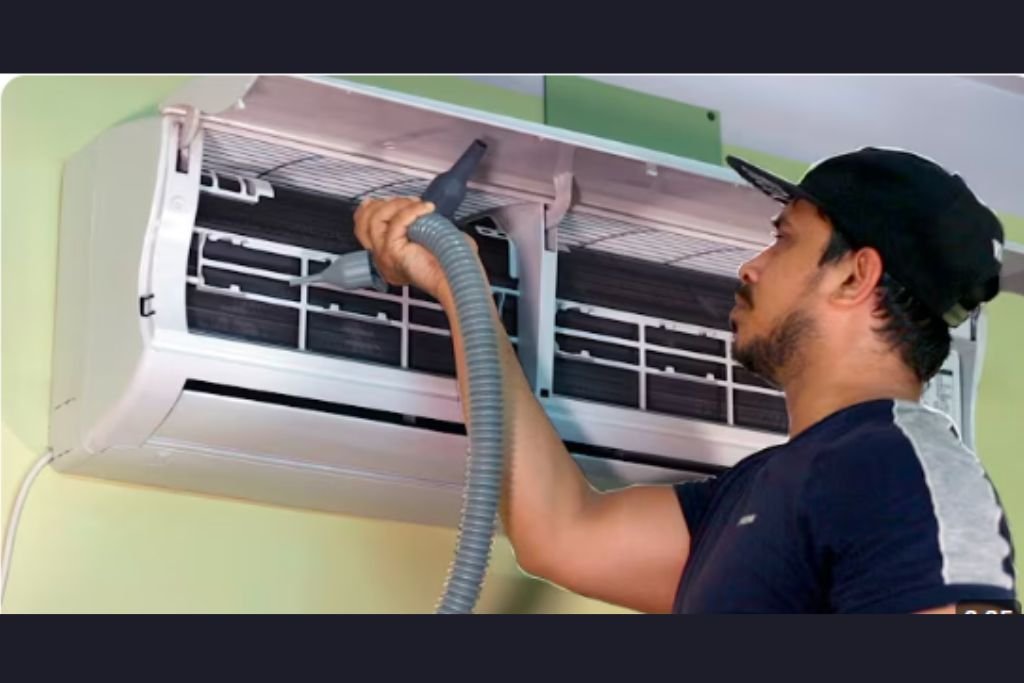
AC Maintenance: Complete Guide to Improve Efficiency, Reduce Costs & Extend Air Conditioner Lifespan
The moment your air conditioner struggles on a scorching summer afternoon, comfort disappears almost instantly. Rooms become stuffy, electricity bills begin to climb, and the risk of a complete system breakdown increases with every passing hour. While many homeowners only think about their air conditioning system when it stops working, the truth is that regular AC maintenance is the single most effective way to keep your cooling system operating efficiently, reduce costly repairs, and extend its lifespan.
Air conditioners are among the hardest-working appliances in homes and commercial buildings. During hot weather, they often run for several hours every day, constantly removing heat and humidity from indoor spaces. Like any machine with moving parts, electrical components, and airflow systems, an air conditioner requires regular care to continue performing at its best. Dust, dirt, clogged filters, worn-out components, and neglected maintenance can gradually reduce efficiency and eventually lead to expensive failures.
Whether you own a central air conditioning system, a split AC, a ductless mini-split, or an inverter air conditioner, understanding the basics of AC maintenance can help you enjoy consistent cooling while saving money over the long term. This comprehensive guide explains why AC maintenance matters, what tasks homeowners can perform themselves, when professional servicing is necessary, and how routine care keeps your cooling system in excellent condition year after year.
What Is AC Maintenance?
AC maintenance refers to the regular inspection, cleaning, adjustment, and servicing of an air conditioning system to ensure it operates safely, efficiently, and reliably. It involves both simple homeowner responsibilities and more advanced procedures carried out by trained HVAC professionals.
Routine maintenance focuses on keeping every major component of the air conditioner functioning properly. This includes replacing or cleaning air filters, inspecting the thermostat, cleaning indoor and outdoor coils, checking refrigerant levels, testing electrical components, clearing condensate drains, and ensuring proper airflow throughout the system.
Rather than waiting for problems to appear, preventive maintenance identifies small issues before they develop into major repairs. This proactive approach reduces unexpected breakdowns and helps maintain peak cooling performance.
Why AC Maintenance Is So Important
Many people assume that an air conditioner will continue working efficiently until it suddenly fails. In reality, performance often declines gradually due to dirt accumulation, clogged filters, restricted airflow, and normal wear on internal components.
Regular AC maintenance allows the system to operate with less effort, reducing energy consumption while delivering better cooling. Clean components transfer heat more effectively, allowing the compressor and fans to work efficiently instead of struggling against unnecessary resistance.
Maintenance also protects one of the most expensive appliances in a home. Replacing an entire air conditioning system can cost thousands of dollars, making routine servicing a smart investment. Spending a relatively small amount on annual maintenance can significantly reduce the likelihood of expensive emergency repairs or premature replacement.
Another important benefit is indoor comfort. A properly maintained air conditioner cools rooms evenly, controls humidity more effectively, and maintains a healthier indoor environment by improving air quality.
How an Air Conditioner Works
Understanding the basic operation of an air conditioner helps explain why maintenance is essential.
The system begins by drawing warm indoor air through return vents. This air passes through a filter that captures dust, pollen, pet hair, and other airborne particles before reaching the evaporator coil. Refrigerant inside the evaporator absorbs heat from the indoor air, causing the air to cool before it is distributed back into the home through supply vents.
The absorbed heat is then carried to the outdoor condenser unit, where it is released into the outside air. Fans, compressors, electrical controls, and refrigerant lines all work together to complete this continuous cooling cycle.
If any part of this process becomes dirty, blocked, damaged, or improperly adjusted, the entire system must work harder to produce the same level of cooling.
Benefits of Regular AC Maintenance
One of the biggest advantages of routine maintenance is improved energy efficiency. Dirty air filters, clogged coils, and restricted airflow force the system to consume more electricity. A clean and properly serviced unit cools the home faster while using less energy, which can lead to noticeable savings on monthly utility bills.
Maintenance also extends the lifespan of the equipment. Most modern air conditioners are designed to last between 10 and 15 years, but neglecting routine care can significantly shorten their operational life. Components such as compressors, fan motors, and capacitors experience less strain when the system is maintained properly.
Improved indoor air quality is another valuable benefit. Air filters trap airborne contaminants before they circulate through the home. Replacing dirty filters and cleaning internal components helps reduce dust, allergens, mold spores, and unpleasant odors, creating a healthier indoor environment.
Routine servicing also minimizes the likelihood of unexpected breakdowns during periods of extreme heat. Small issues like loose electrical connections, refrigerant leaks, or clogged drain lines can be corrected before they develop into expensive emergencies.
Homeowner AC Maintenance Tasks
Although some maintenance procedures require specialized equipment, homeowners can perform several important tasks safely throughout the year.
Replacing or cleaning the air filter is perhaps the most important maintenance responsibility. Air filters gradually become clogged with dust and debris, restricting airflow and reducing efficiency. Depending on usage, filter type, and indoor conditions, filters should generally be inspected monthly and replaced every one to three months.
Keeping the outdoor condenser unit clean is equally important. Leaves, grass clippings, weeds, dirt, and other debris often collect around the outdoor unit, blocking airflow. Maintaining at least two feet of open space around the condenser allows it to release heat efficiently.
Homeowners should also inspect supply and return vents throughout the home. Furniture, curtains, rugs, or decorative items should never block airflow because restricted circulation forces the system to work harder.
Monitoring the thermostat is another simple but effective maintenance habit. If indoor temperatures do not match thermostat settings, replacing batteries or recalibrating the thermostat may restore proper operation.
The condensate drain should also be checked periodically. Moisture removed from indoor air flows through this drain, and blockages can lead to water leaks, mold growth, or automatic system shutdowns.
Professional AC Maintenance Services
While homeowners can handle basic upkeep, annual professional servicing remains essential for maintaining long-term reliability.
A qualified HVAC technician performs a detailed inspection that includes checking refrigerant pressure, identifying leaks, cleaning evaporator and condenser coils, inspecting electrical connections, testing capacitors, examining contactors, measuring airflow, inspecting blower components, and evaluating overall system performance.
Technicians also verify that refrigerant levels meet manufacturer specifications. Too little refrigerant reduces cooling efficiency, while incorrect pressure can damage the compressor, one of the most expensive components to replace.
Electrical inspections are another critical part of professional maintenance. Loose wiring, worn connections, and failing capacitors may not show obvious symptoms until they cause complete system failure.
After completing maintenance, technicians typically test cooling performance, temperature differences, airflow, and thermostat accuracy to ensure everything operates correctly.
How Often Should AC Maintenance Be Performed?
Most HVAC manufacturers recommend performing basic maintenance throughout the year while scheduling professional servicing once annually.
Monthly inspections should include checking air filters, listening for unusual sounds, inspecting vents, and ensuring the outdoor unit remains free of debris.
Air filters generally require replacement every one to three months depending on household conditions. Homes with pets, smokers, construction dust, or allergy sufferers may require more frequent filter changes.
Professional maintenance is usually recommended once each year, preferably during the spring before temperatures rise significantly. Scheduling service before peak cooling season ensures the system is prepared for heavy summer operation.
Signs Your Air Conditioner Needs Maintenance
Several warning signs indicate that an air conditioner requires immediate attention.
Weak airflow often suggests clogged filters, blocked ducts, dirty coils, or blower problems. If cool air barely reaches rooms, the system should be inspected promptly.
Warm air coming from supply vents may indicate refrigerant issues, compressor problems, thermostat malfunctions, or airflow restrictions.
Unusual noises such as grinding, buzzing, rattling, squealing, or clicking frequently signal worn mechanical components or loose electrical connections.
Strange odors should never be ignored. Musty smells may indicate mold growth inside the system, while burning odors could point to electrical problems requiring immediate professional inspection.
Water leaking around the indoor unit usually results from blocked condensate drains or frozen evaporator coils.
An unexplained increase in electricity bills often serves as one of the earliest indicators that the system is losing efficiency due to neglected maintenance.
Frequent on-and-off cycling, inconsistent cooling between rooms, and ice forming on refrigerant lines are additional warning signs that professional servicing is needed.
Seasonal AC Maintenance Tips
Each season presents unique maintenance opportunities that help preserve cooling performance.
Spring is the ideal time for comprehensive maintenance because the air conditioner has likely remained unused throughout winter. Replacing filters, cleaning the outdoor condenser, inspecting electrical components, and scheduling professional servicing prepares the system for heavy summer demand.
During summer, homeowners should monitor airflow, keep the outdoor unit clean, inspect filters regularly, and pay attention to unusual noises or cooling problems.
As temperatures cool in autumn, accumulated leaves, dirt, and debris should be removed from around the outdoor unit. Any cooling issues experienced during summer should be addressed before the next operating season.
Winter maintenance depends on local climate conditions. In areas where air conditioners remain unused, keeping the outdoor unit clean and protected from excessive debris helps preserve its condition. Manufacturer recommendations should always be followed regarding protective covers.
Common AC Problems Prevented by Maintenance
Routine servicing prevents many of the most common air conditioning failures.
Dirty evaporator coils reduce heat absorption, forcing the compressor to work harder. Cleaning the coils restores efficient cooling.
Clogged condenser coils prevent proper heat release outdoors, increasing operating temperatures and energy consumption.
Low refrigerant levels reduce cooling capacity while placing additional strain on the compressor.
Blocked condensate drains can cause water damage, mold growth, and automatic shutdowns.
Loose electrical connections may eventually lead to component failure or safety hazards if left uncorrected.
Worn fan motors and failing capacitors often develop gradually, making them easier and less expensive to replace during routine maintenance rather than after complete failure.
AC Maintenance for Inverter Air Conditioners
Inverter air conditioners have become increasingly popular because they adjust compressor speed according to cooling demand, improving efficiency and reducing energy consumption.
Although inverter technology differs from conventional systems, maintenance requirements remain largely the same. Air filters should be cleaned regularly, outdoor units should remain free from obstructions, coils should be kept clean, and professional servicing should be performed annually.
Proper maintenance allows inverter systems to maintain their energy-saving advantages while providing consistent indoor comfort.
Common AC Maintenance Mistakes
Several maintenance mistakes can unintentionally reduce efficiency or damage the system.
One common mistake is ignoring dirty filters until airflow becomes noticeably restricted. Waiting too long between filter replacements forces the entire system to work harder.
Using high-pressure water to clean outdoor coils can bend delicate aluminum fins, reducing airflow and cooling performance.
Closing multiple supply vents throughout the home in an attempt to save energy often creates pressure imbalances that strain the HVAC system instead of improving efficiency.
Attempting to recharge refrigerant without proper equipment or certification is another serious mistake. Refrigerant levels should only be adjusted by licensed professionals.
Delaying professional maintenance because the system appears to be working normally may allow hidden issues to worsen over time.
How Much Does AC Maintenance Cost?
The cost of AC maintenance varies depending on system size, location, service provider, and the condition of the equipment. In many regions, annual maintenance visits are relatively affordable compared to the cost of major repairs or full system replacement.
Maintenance plans offered by HVAC companies often include annual inspections, discounted repairs, priority scheduling, and routine tune-ups. These programs can provide long-term value, particularly for homeowners who rely heavily on air conditioning throughout the year.
Choosing a Reliable HVAC Maintenance Company
Selecting a qualified HVAC contractor is just as important as scheduling maintenance itself. Look for licensed and insured technicians with strong customer reviews, transparent pricing, and experience servicing your specific type of air conditioning system.
Reputable companies should provide detailed inspection reports, explain any recommended repairs, and answer questions clearly without using unnecessary sales pressure. Obtaining estimates from multiple providers can help homeowners make informed decisions while ensuring quality service.
Final Thoughts
An air conditioning system represents a significant investment in comfort, health, and energy efficiency. Regular AC maintenance protects that investment by improving performance, lowering utility bills, extending equipment lifespan, and reducing the risk of unexpected breakdowns. While simple homeowner tasks such as replacing filters and cleaning around the outdoor unit play an important role, annual professional servicing remains essential for identifying hidden issues before they become costly problems.
Instead of viewing maintenance as an optional expense, it should be considered a long-term strategy for protecting your home’s cooling system. A well-maintained air conditioner delivers reliable comfort during the hottest months of the year, operates more efficiently, and provides peace of mind knowing it is prepared to perform whenever you need it. By following a consistent maintenance schedule and addressing small issues promptly, homeowners can enjoy dependable cooling, healthier indoor air, and substantial savings throughout the life of their AC system.
