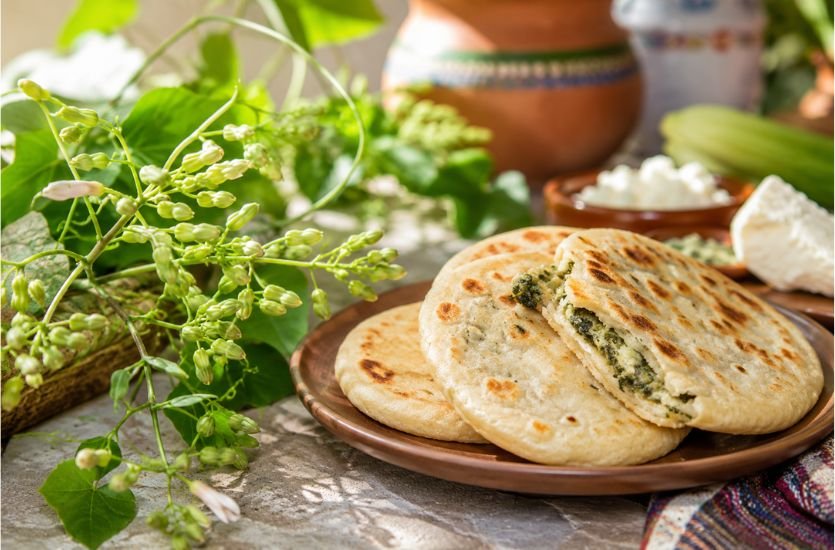
Loroco Explained: Taste, History, Uses, and Cultural Importance of This Unique Flower
Deep in the tropical regions of Central America, a small green flower bud has become a symbol of tradition, culture, and authentic flavor. Known as loroco, this edible flower has been part of Central American cooking for generations, especially in El Salvador, where it has earned a special place in one of the country’s most famous foods: pupusas. Although many people around the world are unfamiliar with loroco, this unique ingredient is slowly gaining attention among food lovers, chefs, and communities interested in discovering traditional plants with distinctive flavors.
Loroco is not just another edible flower used for decoration. It is a flavorful ingredient with a rich cultural background, a fascinating growing process, and a strong connection to Salvadoran identity. Its delicate aroma, slightly herbal taste, and versatility in cooking make it a valuable addition to many traditional recipes. From stuffed tortillas to rice dishes and sauces, loroco brings a special character that cannot easily be replaced by other ingredients.
What Is Loroco?
Loroco is the edible flower bud of the plant scientifically known as Fernaldia pandurata. It is a climbing vine belonging to the Apocynaceae family, a group of plants that includes various flowering species. The plant grows naturally in tropical climates and is commonly found in Central American countries such as El Salvador, Guatemala, Honduras, Nicaragua, and parts of southern Mexico.
The part of the plant used in cooking is not the fully opened flower but the young flower buds. Farmers and cooks usually harvest the buds before they bloom because this stage provides the best flavor, texture, and aroma. These small green buds are then prepared fresh, preserved, or frozen depending on availability.
Unlike common vegetables that are eaten for their size or nutritional content, loroco is mainly appreciated for the unique flavor it contributes to dishes. It works similarly to herbs and spices by adding fragrance and a distinctive taste that transforms simple recipes into traditional specialties.
The History and Cultural Importance of Loroco
Loroco has deep roots in Central American food traditions. Indigenous communities in the region have used native plants like loroco as part of their daily diets for centuries. Over time, the flower became closely connected with local agriculture and cooking practices.
In El Salvador, loroco represents more than just an ingredient. It is strongly associated with national cuisine and cultural identity. The most famous example of this connection is the loroco and cheese pupusa, a beloved variation of the traditional Salvadoran dish. Pupusas are thick corn tortillas filled with different ingredients, and the combination of melted cheese and aromatic loroco has become one of the most recognized versions.
The popularity of loroco has expanded beyond Central America because of migration and global interest in international cuisine. Salvadoran communities living abroad have helped introduce loroco dishes to restaurants and households in countries such as the United States, Canada, and other parts of the world.
What Does Loroco Taste Like?
One of the most interesting aspects of loroco is its unusual flavor profile. People often describe it as a combination of floral, herbal, and slightly earthy flavors. It does not taste like a typical flower, and its flavor is stronger than many edible blossoms used in cooking.
The taste of loroco is often compared to a mixture of fresh herbs and mild vegetables. Some people notice similarities to green beans, spinach, broccoli, or squash, while others describe its aroma as slightly nutty with a pleasant floral quality.
The flavor is delicate but noticeable, which is why loroco is usually added in moderate amounts. When cooked with cheese, corn, rice, or meat, it blends naturally while still maintaining its unique identity.
The texture of loroco is also important. The flower buds remain slightly firm after cooking, providing a pleasant bite that adds more complexity to dishes.
Loroco in Traditional Salvadoran Cuisine
The strongest connection between loroco and food culture comes from Salvadoran cuisine. The ingredient appears in many traditional recipes, but none is more famous than the loroco pupusa.
A loroco pupusa combines corn dough, cheese, and finely chopped loroco buds. During cooking, the cheese melts and mixes with the floral aroma of the loroco, creating a dish that represents the flavors of El Salvador. Many Salvadorans consider this combination a comfort food connected to family gatherings, celebrations, and everyday meals.
Beyond pupusas, loroco is used in many other dishes. Cooks add it to rice recipes to create aromatic side dishes, mix it into sauces for extra flavor, and combine it with eggs for simple breakfasts. It can also be added to soups, stews, and meat dishes where its herbal character enhances the overall taste.
Modern chefs have also experimented with loroco by incorporating it into pasta, pizza toppings, creamy sauces, and fusion cuisine. Its growing popularity shows how traditional ingredients can find new audiences in international cooking.
How Loroco Is Grown and Harvested
Loroco grows best in warm tropical and subtropical environments. As a climbing vine, the plant requires support structures such as fences, poles, or trellises to grow properly. It prefers sunny locations, fertile soil, and regular moisture.
Farmers typically grow loroco from seeds or plant cuttings. Once established, the vine produces clusters of flower buds that can be harvested multiple times during the growing season.
The harvesting process requires care because the buds must be collected at the right stage. If they are picked too early, they may not have developed enough flavor. If they are harvested too late, the flowers may open and lose some of their culinary value.
In traditional farming communities, loroco cultivation provides an important source of income. The demand for fresh and preserved loroco continues to support small farmers who grow the plant for local markets and international buyers.
Fresh Loroco Versus Preserved Loroco
Fresh loroco provides the strongest aroma and texture, but it can be difficult to find outside Central America. Because the flower buds are delicate and seasonal, preservation methods are often used to make loroco available throughout the year.
Frozen loroco is one of the most common forms sold internationally. Freezing helps maintain much of the original flavor and allows restaurants and home cooks outside Central America to prepare traditional dishes.
Some suppliers also sell loroco in jars or preserved forms. These products provide convenience, although the flavor and texture may differ slightly from freshly harvested buds.
For people trying loroco for the first time, frozen loroco is often the easiest option because it allows them to experience the ingredient without needing access to specialty markets.
Nutritional Value of Loroco
Although loroco is usually consumed in small amounts, it contributes useful nutrients as part of a balanced diet. Like many edible plants, it contains natural compounds, vitamins, minerals, and dietary fiber.
Because loroco is typically used as a flavor-enhancing ingredient rather than a main food source, its nutritional contribution depends on the quantity included in a meal. When combined with other nutritious ingredients such as vegetables, grains, and proteins, it can add variety and plant-based nutrients to traditional dishes.
The increasing interest in edible flowers has also encouraged researchers and food enthusiasts to explore the nutritional qualities of plants like loroco.
Possible Health Benefits of Loroco
Traditional communities have valued loroco not only for its taste but also as part of a natural food-based lifestyle. Like other plant-based foods, loroco contains naturally occurring compounds that may contribute to overall nutrition.
Including a variety of plant ingredients in meals can support a diverse and balanced diet. Loroco adds flavor naturally, allowing cooks to create interesting dishes without relying heavily on artificial flavors or excessive seasoning.
However, while loroco is considered a nutritious edible plant, more scientific research is needed to confirm specific medicinal effects or health claims.
Growing Global Interest in Loroco
International interest in loroco has increased as more people explore traditional foods from different cultures. Restaurants specializing in Latin American cuisine have introduced loroco dishes to new audiences, while online food communities have helped spread recipes and cooking ideas.
The rise of global food markets has also made it easier for people outside Central America to purchase preserved loroco products. As consumers become more interested in authentic ingredients and cultural foods, plants like loroco are receiving greater recognition.
For many people, discovering loroco is not only about trying a new flavor but also about experiencing a small part of Central American history and tradition.
Why Loroco Remains Important Today
Despite being a relatively unknown ingredient in many parts of the world, loroco continues to hold a special position in Central American cuisine. Its importance comes from the connection between food, culture, agriculture, and family traditions.
A single flower bud represents generations of cooking knowledge passed from one generation to another. Whether served inside a warm pupusa, mixed into rice, or added to a modern recipe, loroco carries the story of the communities that have protected and celebrated it for centuries.
As global interest in unique ingredients continues to grow, loroco has the opportunity to become recognized far beyond its traditional homeland. Its distinctive flavor and cultural significance make it one of Central America’s most fascinating culinary treasures.
Final Thoughts
Loroco is much more than an edible flower. It is a symbol of Salvadoran heritage, a flavorful ingredient, and a connection between traditional farming and modern cuisine. From its origins in Central American landscapes to its growing popularity around the world, loroco demonstrates how small natural ingredients can have a powerful cultural impact.
Whether enjoyed in a classic loroco pupusa or discovered through new recipes, this unique flower offers a taste experience that reflects the history and creativity of Central American cooking. As more people learn about loroco, this remarkable ingredient is likely to continue gaining appreciation among food lovers everywhere.