Pastorizasyon: The Science Behind Safer Food and Modern Preservation
Every day, millions of people consume milk, juices, and other food products without thinking about the complex processes that make these products safe. Behind every glass of milk on a supermarket shelf is a carefully controlled scientific method designed to reduce harmful microorganisms while maintaining nutritional quality. One of the most important methods responsible for this safety is pastorizasyon.
Also Read: Incfidelibus Explained: The Hidden Meaning, Latin Origins, and Digital Mystery Behind the Rare Word
Pastorizasyon is a food preservation technique that has transformed the way humans produce, distribute, and consume food. It plays a crucial role in preventing foodborne illnesses, improving product quality, and extending shelf life. Although many people associate the process only with milk, pastorizasyon is used across a wide range of industries, including beverages, dairy production, and packaged foods.
The importance of pastorizasyon goes beyond simple heating. It represents a balance between science and technology, where temperature, time, and food composition work together to create safer products for consumers. Understanding how pastorizasyon works helps explain why modern food systems are more reliable and why this process remains one of the foundations of food safety worldwide.
What Is Pastorizasyon?
Pastorizasyon is a controlled heat treatment process used to eliminate or reduce harmful microorganisms found in food and beverages. The method involves heating a product to a specific temperature for a certain period and then rapidly cooling it. The main purpose is to destroy disease-causing bacteria and slow down the growth of microorganisms that cause spoilage.
Unlike sterilization, pastorizasyon does not remove all microorganisms from a product. Instead, it reduces dangerous bacteria to a safe level while preserving the original taste, texture, and nutritional properties of the food. This makes it an ideal method for products that need improved safety without losing their natural characteristics.
The process is most commonly associated with milk because raw milk can contain bacteria that may cause serious health problems. However, pastorizasyon is also widely used for fruit juices, dairy products, liquid eggs, sauces, and other foods where microbial control is necessary.
The name of the process comes from the French scientist Louis Pasteur, who developed the technique during the 19th century. His discoveries about microorganisms and food spoilage changed the food industry forever and created the foundation for modern preservation methods.
The History and Development of Pastorizasyon
Before pastorizasyon became common, food and beverages often spoiled quickly and could carry dangerous microorganisms. In the 1800s, scientists began studying the relationship between microbes and food deterioration. Louis Pasteur discovered that microorganisms were responsible for fermentation and spoilage, proving that heating could reduce their activity.
Initially, the method was developed to prevent spoilage in wine and beer. Later, researchers discovered that the same principle could protect milk from harmful bacteria. As cities expanded and milk distribution networks grew, the need for safer milk became increasingly important.
During the early 20th century, many countries introduced regulations requiring milk to undergo pastorizasyon before being sold commercially. These regulations significantly reduced diseases linked to contaminated milk and improved public health standards.
Today, advanced technology has made pastorizasyon more precise and efficient. Modern food companies use automated systems that carefully control temperature and timing to ensure consistent quality. The process has evolved from a simple heating technique into a sophisticated part of industrial food production.
How Does Pastorizasyon Work?
The effectiveness of pastorizasyon depends on controlling two main factors: temperature and time. Different foods require different treatment conditions because their structures and microbial risks vary.
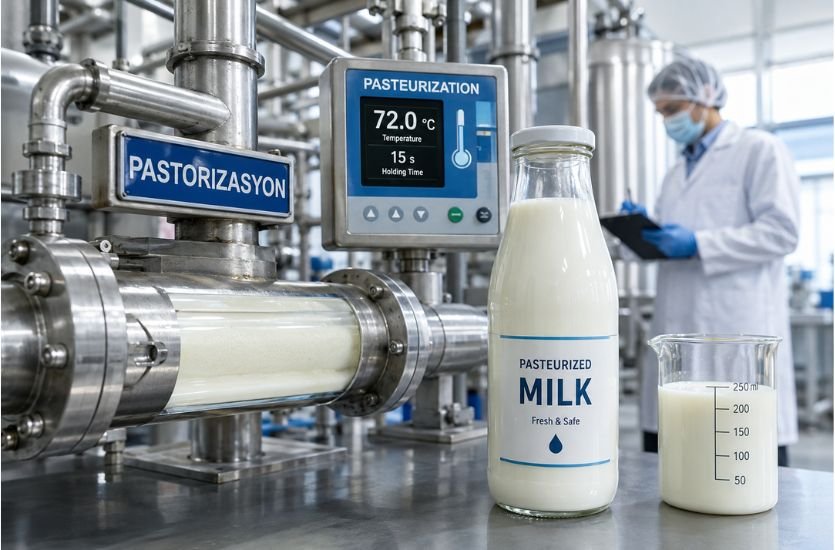
In milk production, one of the most common methods is High Temperature Short Time (HTST) pastorizasyon. In this process, milk is heated to approximately 72 degrees Celsius for around 15 seconds before being rapidly cooled. This method effectively reduces harmful bacteria while maintaining the taste and nutritional value of milk.
Another method is Low Temperature Long Time (LTLT) pastorizasyon, where milk is heated at a lower temperature for a longer period. This approach is less common in large-scale industrial production but may still be used in certain food applications.
The rapid cooling stage after heating is equally important. Cooling prevents surviving microorganisms from multiplying and helps maintain product freshness. Without proper cooling, the benefits of pastorizasyon would be significantly reduced.
Modern facilities use advanced equipment to monitor every stage of the process. Sensors and automated systems ensure that products receive the correct amount of heat treatment without unnecessary exposure to high temperatures.
The Importance of Pastorizasyon in Milk Production
Milk is one of the most nutritious foods available, containing proteins, calcium, vitamins, and minerals. However, raw milk can also contain harmful bacteria such as Salmonella, E. coli, and Listeria. These microorganisms can cause foodborne illnesses, especially among vulnerable groups such as children, elderly individuals, and people with weakened immune systems.
Pastorizasyon makes milk safer by significantly reducing these harmful bacteria. It allows consumers to enjoy the nutritional benefits of milk while lowering the risk associated with microbial contamination.
The process also improves the storage life of milk. Raw milk can spoil quickly because bacteria multiply rapidly under suitable conditions. After pastorizasyon, the number of microorganisms is reduced, allowing milk to remain fresh for a longer period when stored properly.
Although pastorizasyon changes certain characteristics of milk slightly, scientific research shows that it preserves most essential nutrients. Proteins, minerals, and many important components remain available after proper treatment.
Pastorizasyon in Other Food Industries
While milk is the most recognized example, pastorizasyon has applications far beyond dairy products. Many beverage companies use this method to improve safety and maintain product quality.
Fruit juices often undergo pastorizasyon to eliminate harmful microorganisms and prevent fermentation. Without this process, natural sugars in fruit juices could encourage microbial growth, leading to spoilage and reduced quality.
Liquid egg products are another example where pastorizasyon is extremely important. Raw eggs may contain bacteria that create health risks, so heat treatment helps make egg-based products safer for consumers and food manufacturers.
Sauces, soups, and certain ready-to-eat foods can also benefit from pastorizasyon. The process allows manufacturers to produce safer products while reducing dependence on chemical preservatives.
The wide use of pastorizasyon demonstrates its importance as a flexible technology that supports different areas of the food industry.
Benefits of Pastorizasyon
One of the biggest advantages of pastorizasyon is improved food safety. By reducing harmful microorganisms, the process protects consumers from many foodborne diseases. This is particularly important in large-scale food production, where products are distributed to thousands or millions of people.
Another major benefit is increased shelf life. Foods treated through pastorizasyon usually remain fresh longer compared with untreated products. This reduces food waste and allows businesses to transport products over longer distances.
Pastorizasyon also helps maintain product consistency. Food manufacturers can provide consumers with reliable quality because the process controls microbial activity and reduces unexpected spoilage.
The technique supports global food distribution systems. Without methods like pastorizasyon, many modern food products would have limited availability and shorter storage periods.
Difference Between Pastorizasyon and UHT Processing
Many people confuse pastorizasyon with Ultra High Temperature (UHT) processing because both methods involve heat treatment. However, they are different technologies with different results.
Pastorizasyon generally uses lower temperatures for shorter periods compared with UHT. It focuses on reducing harmful bacteria while keeping the product closer to its original characteristics.
UHT processing involves much higher temperatures, usually above 135 degrees Celsius, for a few seconds. This allows products such as long-life milk to remain stable for extended periods without refrigeration before opening.
The main difference is shelf life and processing intensity. Pastorizasyon products usually require refrigeration and have a shorter storage period, while UHT products can remain safe at room temperature for much longer.
Both methods serve important purposes, and the choice depends on the type of product, consumer needs, and storage conditions.
Does Pastorizasyon Affect Nutritional Value?
A common question about pastorizasyon is whether heating reduces the nutritional quality of food. The answer depends on the type of food and the intensity of the treatment.
In milk, pastorizasyon has little effect on major nutrients such as protein, calcium, and carbohydrates. Some heat-sensitive vitamins may experience small reductions, but the overall nutritional value remains high.
The safety benefits of pastorizasyon are considered much greater than the minor nutritional changes that may occur. A safer product with slightly reduced levels of certain heat-sensitive components is generally preferred over a product that carries a higher risk of harmful contamination.
Food scientists continue to improve pastorizasyon techniques to achieve the best possible balance between safety and nutritional preservation.
The Role of Pastorizasyon in Modern Food Safety
Modern food systems depend heavily on scientific methods to protect consumers. Pastorizasyon is one of the most successful examples of how technology can improve everyday life.
Food safety authorities around the world recognize pastorizasyon as an important method for controlling harmful microorganisms. Regulations and quality standards ensure that manufacturers follow proper procedures and maintain safe production environments.
As global populations increase and food supply chains become more complex, the importance of reliable preservation methods continues to grow. Pastorizasyon helps producers meet consumer expectations for safe, fresh, and high-quality food products.
The process also contributes to sustainability by reducing food spoilage. Longer-lasting products mean fewer resources are wasted during production, transportation, and storage.
Future Developments in Pastorizasyon Technology
The food industry continues to search for new ways to improve preservation methods. Researchers are exploring advanced technologies that can make pastorizasyon even more efficient.
New approaches aim to reduce energy consumption, preserve more nutrients, and maintain better flavor quality. Technologies such as improved heating systems and alternative preservation techniques are being studied alongside traditional pastorizasyon methods.
However, traditional pastorizasyon remains one of the most trusted and widely used methods because of its proven safety record and effectiveness.
As consumer demand for safe and natural foods increases, pastorizasyon will continue to play an essential role in food production around the world.
Conclusion
Pastorizasyon has become one of the most important achievements in food science. What began as a solution to prevent spoilage has developed into a global safety standard that protects millions of consumers every day.
From milk and juices to various processed foods, pastorizasyon provides a reliable way to reduce harmful microorganisms while maintaining quality and nutritional value. Its contribution to public health, food preservation, and modern agriculture cannot be underestimated.
As technology continues to advance, pastorizasyon will remain a fundamental part of the food industry. It represents the connection between scientific discovery and everyday safety, ensuring that the foods people consume are healthier, safer, and more dependable.